01
Functional screening
Perturb cancer cells at scale and measure viability, drug response, dependencies and combination effects.
Discover the approach →We investigate how oncogenic signalling networks are wired, rewired and exploited by cancer cells — and how this circuitry shapes therapeutic response.
Cancer cells do not rely on isolated pathways. They adapt through interconnected signalling circuits that integrate genetic, epigenetic and environmental information.
Our goal is to measure this circuitry directly. We combine functional perturbation, mass-spectrometry-based proteomics and computational biology to understand signalling heterogeneity, identify mechanisms of therapeutic resistance and uncover actionable vulnerabilities.
Perturb cancer cells at scale and measure viability, drug response, dependencies and combination effects.
Discover the approach →Measure proteins and phosphorylation states to quantify signalling activity and reveal how networks are rewired.
Explore our methods →Infer kinase activity, signalling circuitry and response signatures from complex proteomic and functional datasets.
See our research →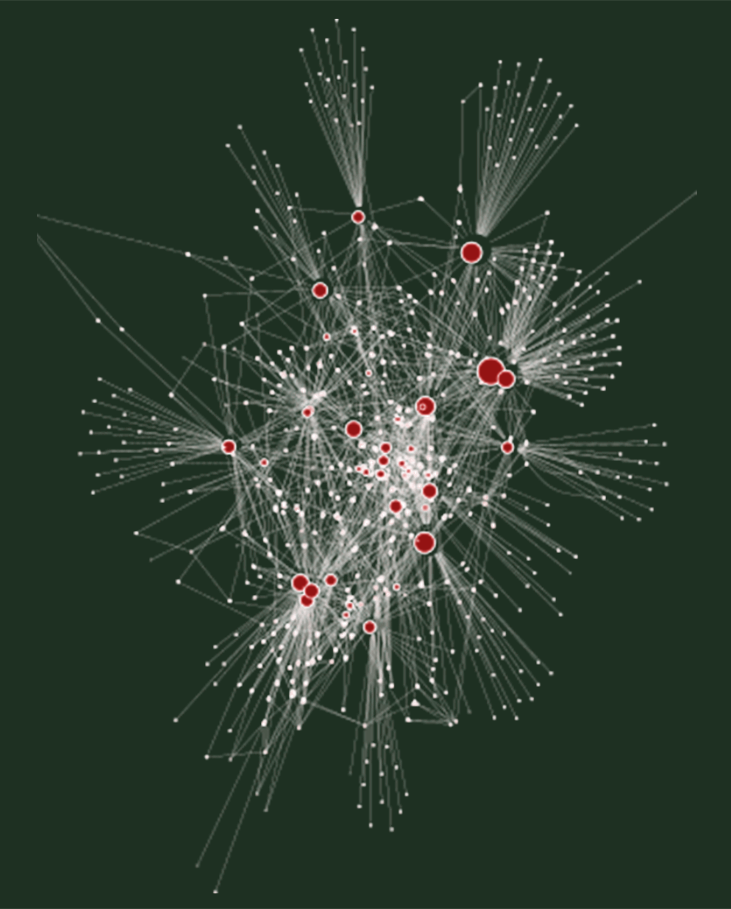
Standard omics measurements tell us which molecules change. We want to understand how those changes alter the circuitry that controls cell behaviour.
By integrating functional assays with proteomics and phosphoproteomics, we aim to reconstruct signalling states in individual cancer populations and connect them to phenotype.
Read about our research →Why do cancer cells with similar genetic backgrounds respond differently?
02How does the epigenome reshape oncogenic signalling?
03How does signalling rewiring enable escape from targeted therapies?
04Can signalling circuitry reveal effective drug combinations?